

The Real Cost of a Rejected Report
Compliance can be costly – and not just financially. It’s about building trust with your customers and demonstrating the strength of your security posture, which are vital to your business. Cutting corners on the building blocks of your compliance program could cost you more than the price of a new report; it could cost you your reputation.
Read on to learn about the real cost of a rejected report and why the budget option might cost you in the long run.
Report rejection is a reality
Low-cost audit providers look attractive, until a customer rejects your report.
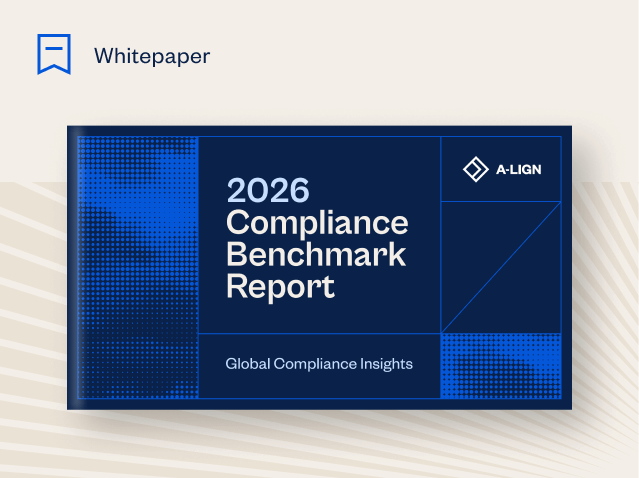
According to the 2026 Compliance Benchmark Report, more than half of respondents have had a vendor or prospect reject a report.
According to a market survey of more than 500 information security, governance, and compliance leaders in the U.S. and Europe, 24% of enterprises (1,000-5,000 full-time employees) have rejected a report and 48% of strategic organizations (more than 5,000 full-time employees) have rejected a report. The stakes are high and organizations must maintain lofty expectations to protect their compliance strategy.
Why do reports get rejected?
Report rejection is more common than you’d think as organizations look to protect their reputation and remain competitive. Common reasons for rejected reports include:
- Incomplete or missing documentation
- Insufficient testing of controls
- Lack of additional findings
- Report was too templated and lacked relevant and appropriate insights
- Lack of trust in auditor reputation
The cost of a rejected report
It’s not just bruised egos; there are real financial and time costs to a rejected report. Each report rejection burns a significant amount of rework, delays, and reputational damage.
Financial costs
According to our market survey, the typical cost of a report rejection totals more than $70,000 plus over 90 days of remediation and rework required to meet expectations.
Let’s break this cost down even more:
- Cost of a rejected report: $70,000
- Typical time spent remediating: 3 months
- Remediation labor cost ($120,000 salary x 4 employees): $30,000
This brings the average hidden cost of a bad report to $100,000. An avoidable loss for a report that costs $20,000.
All of this points to one thing: quality matters. When quality slips, buyers pay twice. Once for the initial audit and again for the do-over and associated costs. The business lesson here is that saving $5,000-$10,000 on audit fees risks a six-figure hit down the line.
Reputational costs
Beyond the financial toll, a rejected report could cause your organization to lose business and lose trust from your customers.
While you may be able to spend the time and money to repeat your audit with another provider, your reputation is priceless. Repairing damage to the relationship with your customers and prospects is difficult, if not impossible.
Defining quality
Now that we understand the real cost of a rejected report and why a quality audit is worth it, let’s explore the definition of quality so your organization is backed by a high-quality final report.
The definition for quality has evolved as compliance professionals become more discerning about what makes up a quality audit report and experience. A quality audit isn’t just about the final report, but also the depth of experience and efficiency of the experience that gets you there.
According to the 2026 Compliance Benchmark Report, a high-quality audit experience is defined by:
- Auditor experience: Your auditor should have extensive experience in the audits you’re enlisting their services for. Plus, they should have plenty of happy customers who can speak to their knowledgeability.
- Use of technology: A high-quality auditor is tech-enabled, either through their own audit management software or partnerships with GRC and readiness tools. Technology ensures your audit is backed by experience and run efficiently.
- Experience with similar companies: Understanding the context of your industry and the environments your organization works in is key. An auditor’s experience with similar companies ensures your audit is up to the standards of your peers and customers.
It’s not just about how polished an auditor is, it’s about the work that goes into the report. As far as your final report goes, we recommend you evaluate final reports based on:
- Depth and specificity of each control: Thoroughly testing controls is a crucial part of the audit process. Sharing the depth and specificity of these elements demonstrates a rigorous, credible audit that will hold up.
- Relevance and customization of the report: A high-quality report will share results and recommendations that are specific to your organization, not just a cookie-cutter report.
- Demonstration of risk mitigation: Recommendations that strengthen your organization’s security posture where necessary.
Case study: Jitterbit
Jitterbit, a global leader in empowering business transformation through automation, offers a single, unified platform to integrate systems, automate workflows and build applications.
The Jitterbit team needed to demonstrate due diligence, ensure compliance, and protect sensitive data. Their previous audit provider delivered low-quality work that they couldn’t explain, forcing Jitterbit to redo work.
Their goal was a thorough SOC 2 audit, not a surface-level review.
The solution to this goal was partnering with A-LIGN to achieve SOC 1, SOC 2, ISO/IEC 27001, 42001, and other compliance initiatives. They chose A-LIGN for its auditors’ deep expertise in SOC 2 processes and controls. The A-LIGN team could clearly explain the rationale behind required controls, creating a collaborative partnership that strengthened Jitterbit’s compliance strategy.
“A-LIGN stands out as an exceptional security auditor. Their proactive approach and excellent customer service made complex compliance processes straightforward and educational. They are highly recommended for their expertise and supportive nature. A-LIGN’s deep understanding of new controls and regulations, combined with customized, clear guidance, significantly enhanced our security posture.”
– Will Au, VP of Engineering Services and Security, Jitterbit
Why A-LIGN
A-LIGN is your trusted compliance partner. We are the market leader in efficient, quality compliance.
A-LIGN provides comprehensive, industry-leading compliance expertise and is the only global provider to offer tech-enabled services that allow you to drastically reduce control overlap.
The A-LIGN difference is
- 4k+ ISO assessments
- #1 SOC 2 auditor in the world
- 6.4+ customers globally
- 96% customer satisfaction
- 400+ auditors globally
- 31k+ audits completed
Reach out today to learn how A-LIGN can help you achieve a high-quality, efficient final report.